
Join our Monthly Giving Program — A little each month brings lasting change. Become a supporter today.
Vet to Vet Winder, GA recognizes service dogs as task-trained working partners, not comfort animals. Their role is functional, individualized, and grounded in training that directly supports a veteran’s independence, safety, and daily functioning.
This page provides clarity on what service dogs do, how they support veterans, and how they differ from therapy dogs and emotional support animals.
Service dogs are trained to perform specific, disability-related tasks. These tasks vary based on the veteran’s needs and the dog’s training, but may include:
Service dogs are not passive companions. They are active working partners trained to assist with tasks that directly mitigate the impact of a disability.
Effective service dog partnerships require active participation from the veteran. Handlers must learn commands, reinforce training, and remain engaged in the working relationship with their service dog.
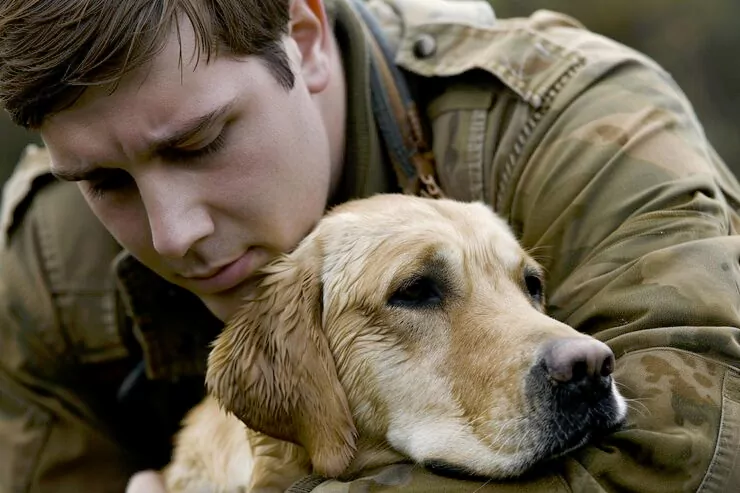
The relationship between a veteran and a service dog is built on consistency, training, and mutual trust. Service dogs are trained to work, and veterans play an essential role in maintaining that training.
Under the Americans with Disabilities Act (ADA), service dogs are granted specific legal protections in the United States.
Key protections include:
Service dogs must remain under the handler’s control and be housebroken. If a dog is disruptive or poses a direct threat, a business may ask that the dog be removed—but not the handler.
Veterans are encouraged to contact the provider directly for current information.
Service dog education complements Vet to Vet Winder, GA’s broader mission of informed veteran support, including:
Each service stands independently. Veterans choose what support is appropriate for their situation.
Veterans seeking clarity about service dogs, eligibility, or next steps are encouraged to reach out.